Resources

We provide high-quality resources to support primary science teaching and learning.

CPD & Services

Our Continual Professional Development (CPD) and other services are here to help you in the classroom.

Projects & Research

Connecting research and practice to strengthen primary science teaching, assessment and leadership.

Community

Bringing together news, recognition and stories from across the primary science community.

About

Learn more about PSTT, the people and partnerships behind what we do and what guides our work.

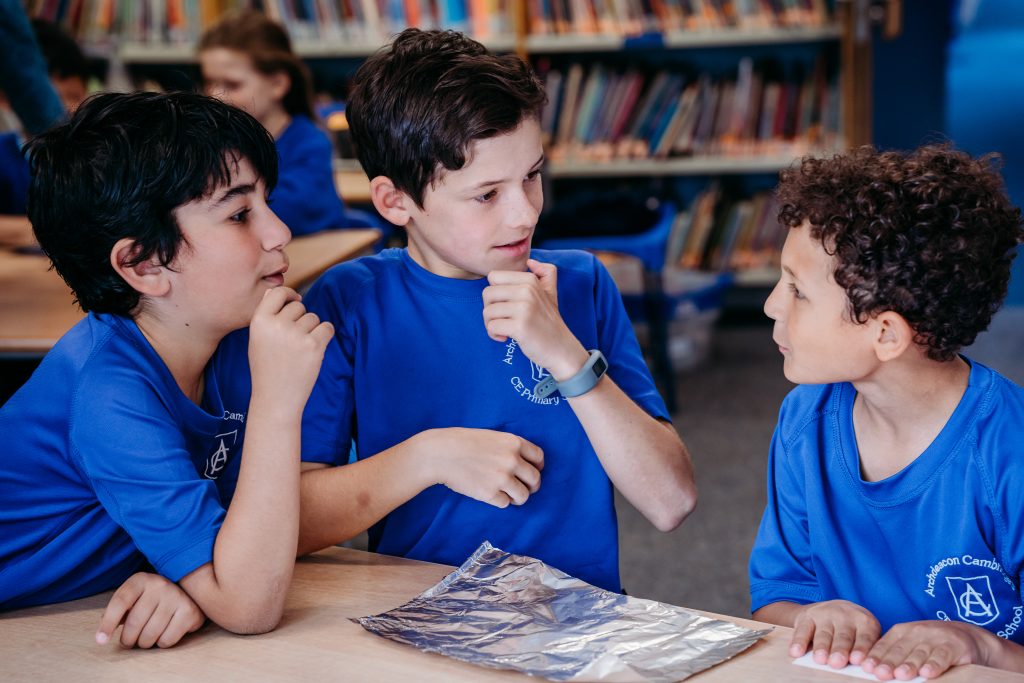
Three children sitting at a table in a classroom thinking and talking about the properties of foil.
Teacher Toolkit

Oracy

Creating opportunities for all children to develop oracy through science

Here we signpost classroom-ready resources that you can use to build all children’s confidence to talk, think and reason in science. We offer guidance to get you started, highlight the benefits for children and teachers, and link to some of PSTT’s resources.
Ready-to-use resources

Bright Ideas Time

Bright Ideas Time is a short, dedicated discussion slot. You can choose from a range of ‘discussion prompts’ to stimulate thinking and talking and encourage children to share their ideas:

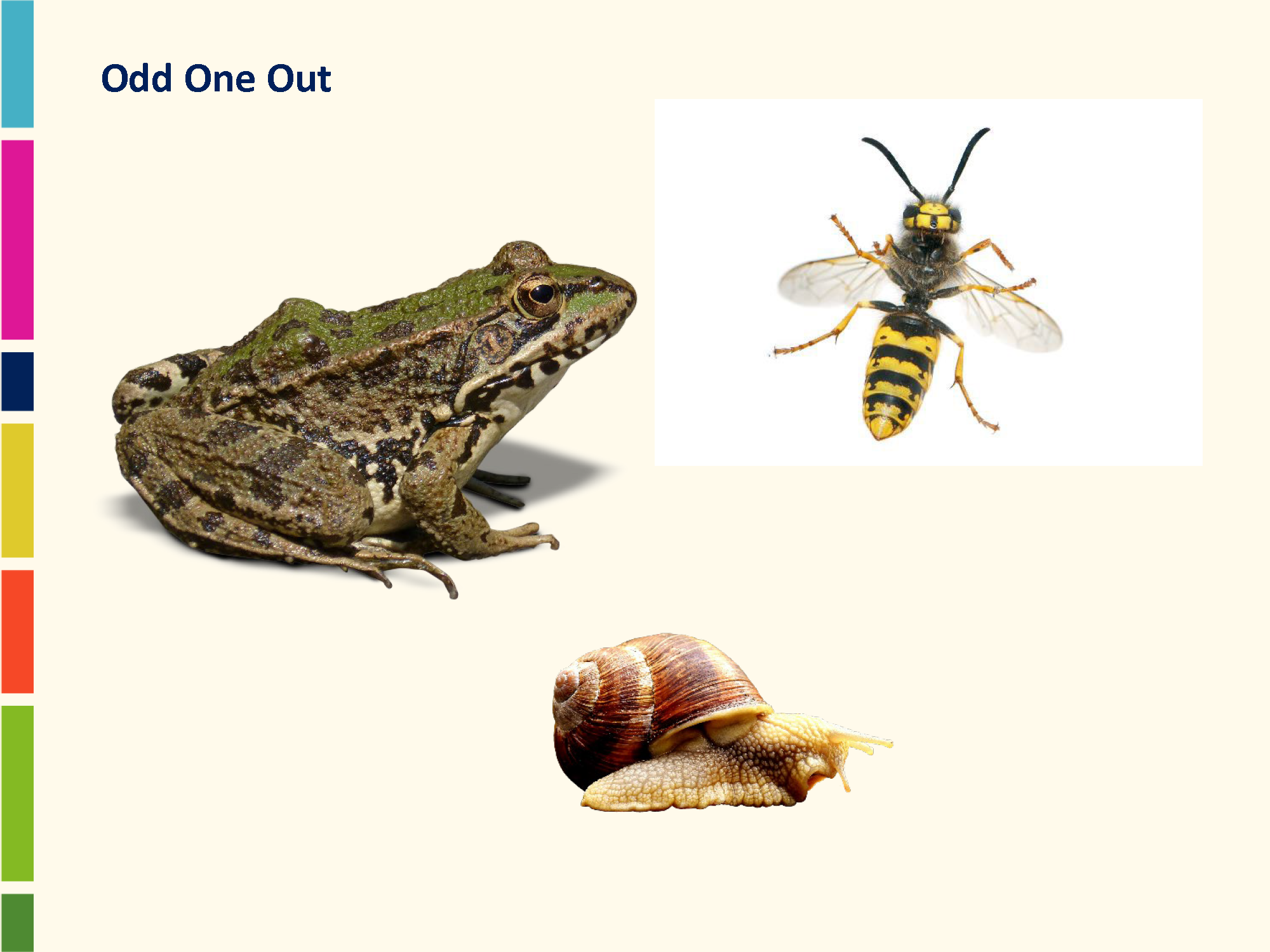
  • Odd One Out
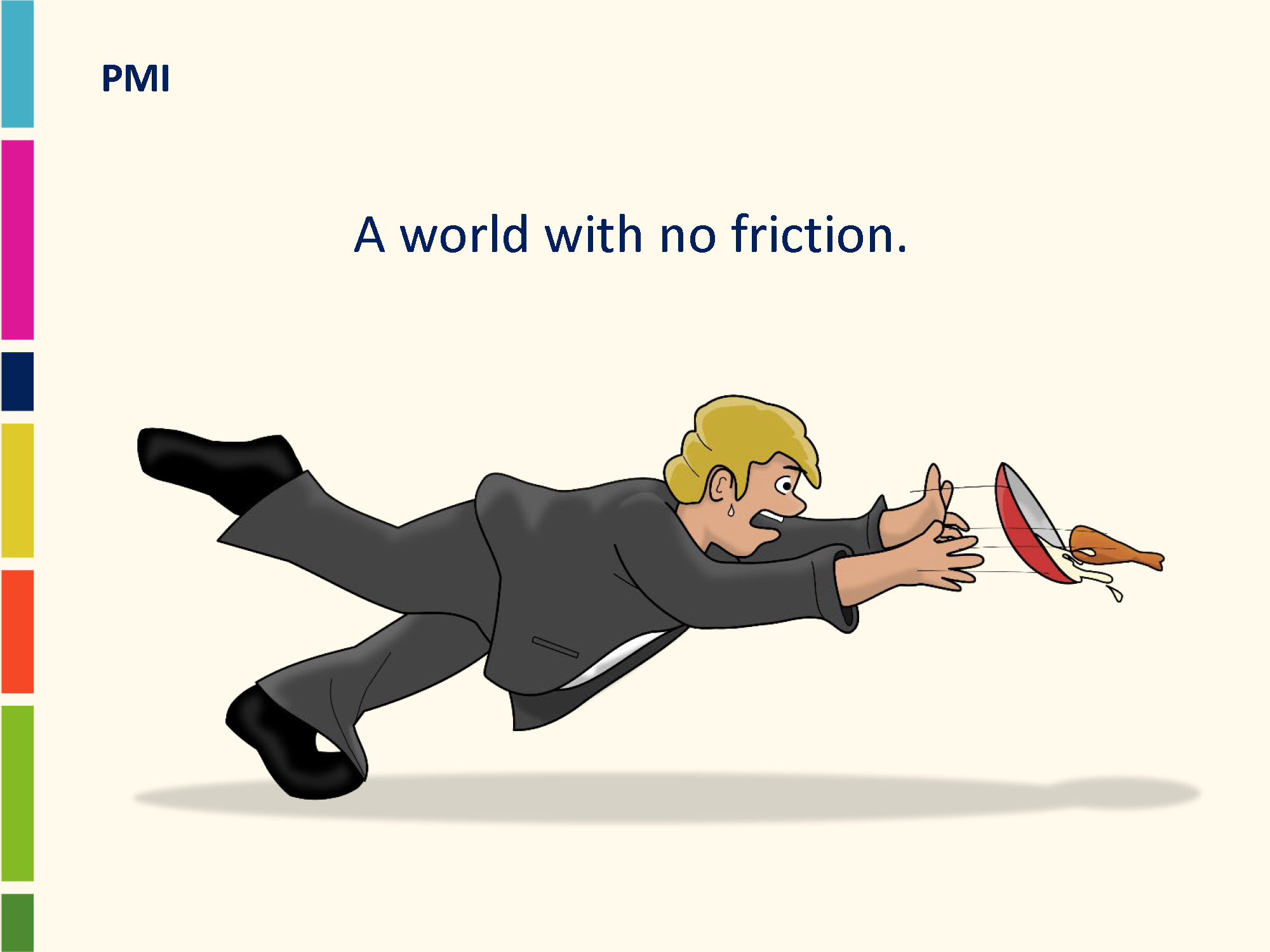
  • PMI
  • HOT (Higher Order Thinking) Question

Pictures for Talk

Pictures for Talk is a series of pictures and each image comes with one or more carefully designed questions to stimulate children’s thinking and explaining.

You can show the image on your screen or print them.

Background information for the teacher is provided and some also have follow-on discussion ideas and activities.

Our Tips:

Link the activity to the topic you are teaching.

Make sure that children know what each image is.

You could ask children to ‘Think-Pair-Share’ before facilitating a class discussion.

Some children like to jot their ideas on whiteboards before discussing with their peers.

Encourage the children to be as creative as they wish as long as they can provide a reason for their thinking.

You may want to scribe some children’s comments to collect evidence of children’s knowledge or understanding.

Keep the main sharing of ideas verbal.

Ask children if they agree or disagree with their peers’ ideas and why.

If you can’t find a prompt suitable for your class or topic, create your own but avoid images with other objects in the background.

If a child’s scientific explanation is clearly wrong, thank them for their contribution and address their misconception later.

A HOT Question (also sometimes called a Big Question) can be more accessible if the question is reframed or broken down into simpler questions that are discussed first.


Benefits:

  • All children can contribute, regardless of their level of knowledge and understanding
  • An opportunity to link science to children’s experiences and real life
  • Children have an opportunity to use science vocabulary
  • Develops children’s oracy skills
  • Develops children’s scientific knowledge and understanding
  • Increases children’s confidence
  • Children enjoy it!
  • Ready-to-use activities
  • Useful as elicitation tasks
  • Allows teachers to identify any misconceptions
  • Allows teachers to check understanding at any time in the lesson
  • Shows progression in learning (when used before and after teaching input)

Examples

a frog, a garden snail, a wasp

Odd One Out

3 or 4 images (or objects) related to the topic theme - ask children to select the odd one out and give their reasons.

Cartoon of man falling over and dropping dish of food

Positive Minus Interesting (PMI) - a scenario

A scenario - ask children to share any positive or negative (minus) consequences, and any interesting ideas.

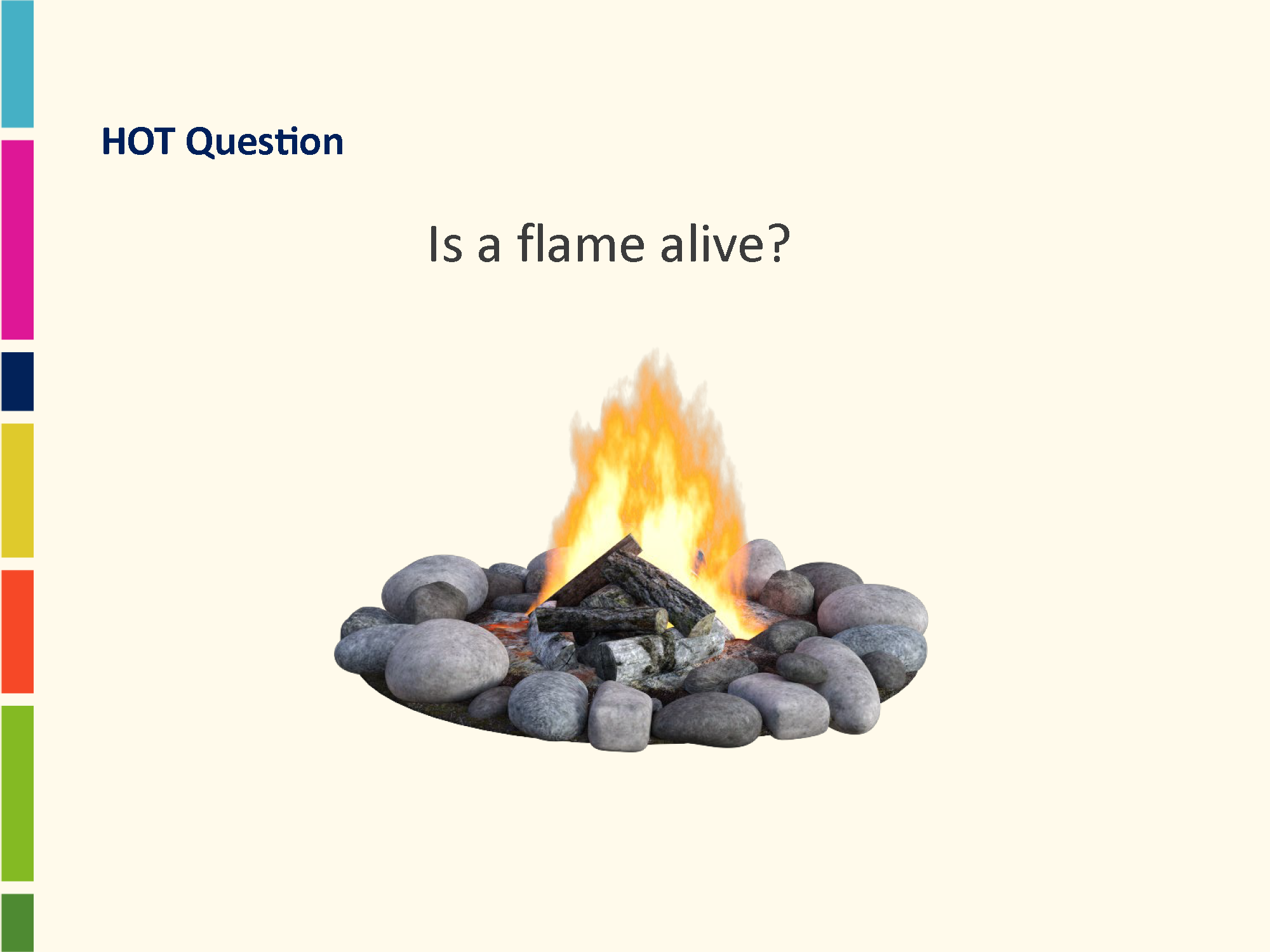
Cartoon image of bonfire

Higher Order Thinking (HOT) Question

A question needing some prior knowledge and thinking - suitable for older children.

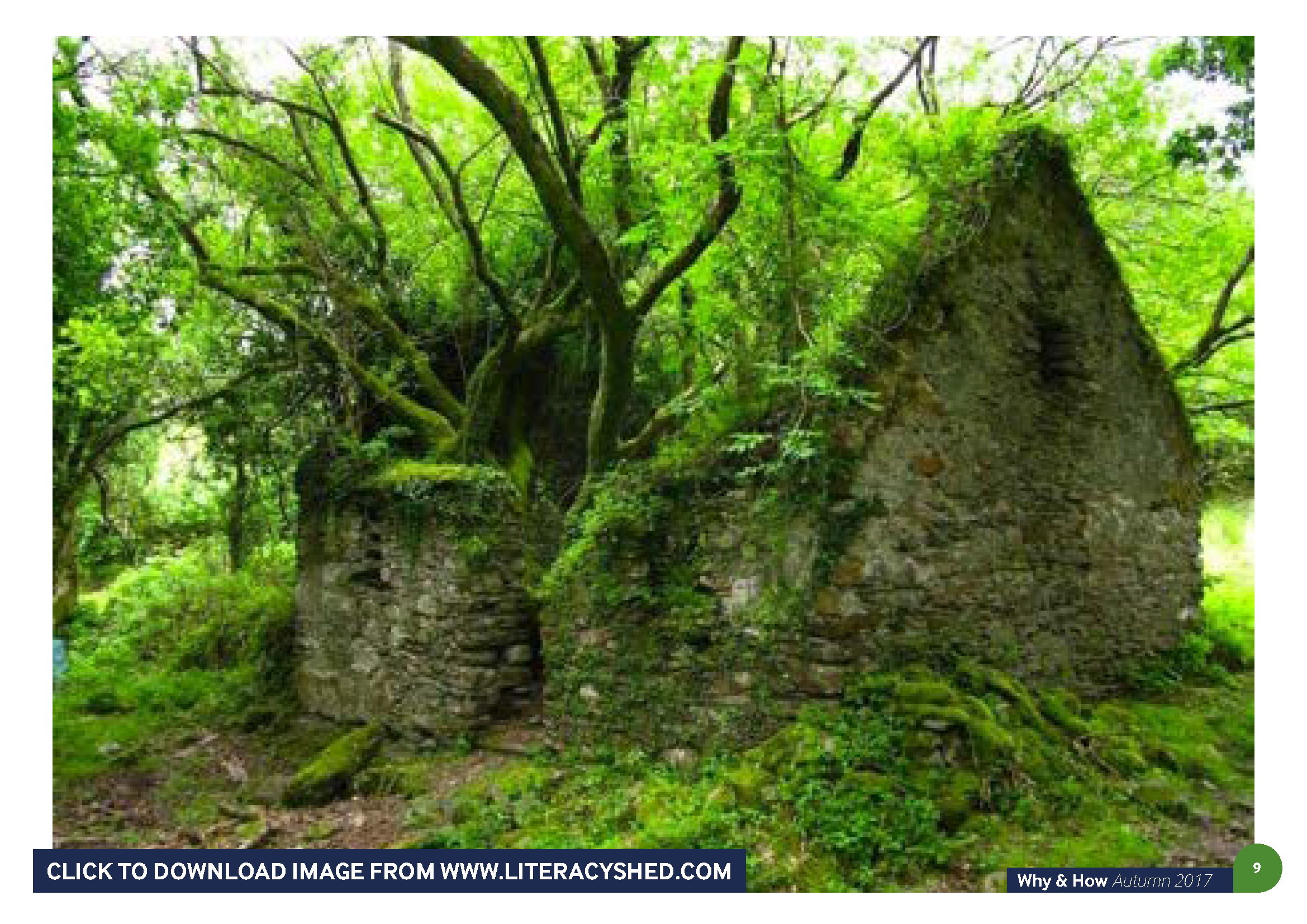
Tree growing inside a ruined house

Pictures for Talk

How do you think that the tree got inside the house? Why do you think this?

Try our resources

You will find further guidance and ready to use resources for all of these strategies:

Bright Ideas Time

Pictures for Talk

Further Support

If you would like tailored support to develop outdoor science learning in your setting, our Primary Science Mentors will be happy to help.

In-school Support

Bright Ideas Time is a Thinking, Doing, Talking Science strategy. Join our 2-day Thinking, Doing, Talking Science courses across England and Wales or our Bright Ideas Time webinar in June 2027.

Events

Safety Notice & Disclaimer

PSTT advises teachers to refer to either the CLEAPSS website or SSERC website for up to date health and safety information when planning practical activities for children.

PSTT is not liable for the actions or activities of any reader or anyone else who uses the information in these resource pages or the associated classroom materials. PSTT assumes no liability with regard to injuries or damage to property that may occur as a result of using the information contained in these resources. PSTT recommends that a full risk assessment is carried out before undertaking in the classroom any of the practical investigations contained in the resources.

All materials are ©Primary Science Teaching Trust (PSTT) and are freely available to download and share for educational purposes. Whilst educators are free to adapt the resources to suit their own needs, acknowledgement of copyright on all original materials must be included. Rights to images included in the resource have been purchased for PSTT use only – as such, these images may only be used as part of this resource and may not copied into or used in other materials.

Stay informed

Stay informed

We regularly send out informative email newsletters. Sign up to stay informed.

Checkboxes